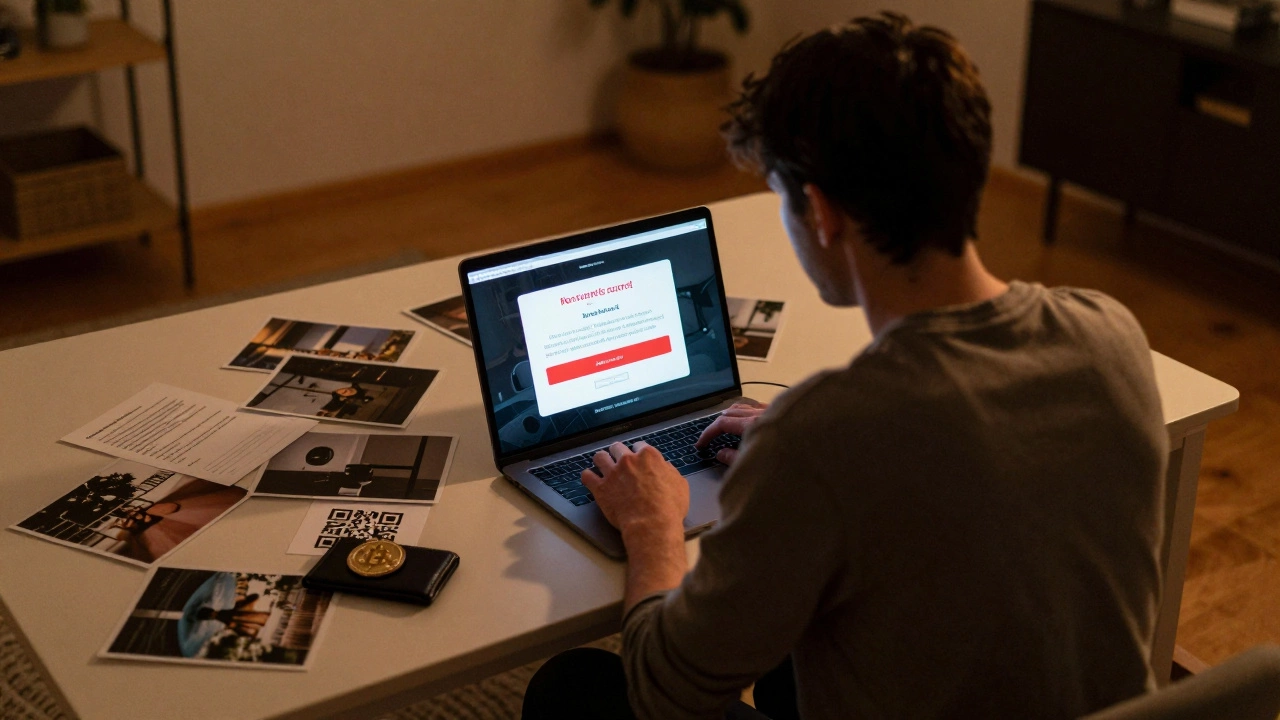
Every day, sex workers log into apps and websites to connect with clients, manage bookings, and stay safe. But too often, those same platforms shut them down without warning, freeze their funds, or ban them for violating vague policies. This isn’t just about morality-it’s about survival. And the tech world keeps acting like it doesn’t see it. Meanwhile, people using services like escort gurl paris are just one part of a global network that relies on digital tools to operate safely, legally, and with dignity. Yet when algorithms flag a profile as "suspicious," no human reviews it. No appeal process exists. No explanation is given.
Sex workers aren’t asking for special treatment. They’re asking for the same basic rights everyone else gets: transparency, due process, and access to the tools that keep them alive. In 2025, hundreds of thousands of sex workers globally use digital platforms to screen clients, share safety tips, and avoid violence. When these platforms remove their accounts, they’re not just losing income-they’re losing their lifelines. And the silence from tech CEOs, investors, and engineers is deafening.
How Platforms Ban Without Warning
Most tech companies claim they don’t target sex workers directly. They say they’re just enforcing "community guidelines." But those guidelines are written in vague language like "prohibited services" or "adult content," which gets applied inconsistently. A yoga instructor posting a photo in a leotard gets flagged. A sex worker sharing a safe meeting location gets banned. A therapist writing about trauma recovery gets demonetized. The pattern isn’t random-it’s biased.
Platforms like Instagram, Facebook, Stripe, PayPal, and even Airbnb have all cracked down on sex worker accounts under pressure from advertisers and banks. But they never publish data on how many accounts were removed, who they were, or why. No transparency. No accountability. Just silence.
And when sex workers try to fight back? They get ghosted. Customer support bots repeat the same script: "Your account violates our terms." No exceptions. No appeals. No help.
The Real Cost of Censorship
When a sex worker loses access to their digital tools, they don’t just lose money-they lose safety. Many use encrypted messaging apps to verify clients’ identities. Others rely on shared databases to warn each other about violent customers. Some use payment processors that allow them to receive funds without exposing their real names. When those tools vanish overnight, they’re forced into more dangerous situations: cash-only transactions, street work, or unvetted clients.
A 2024 study by the Global Network of Sex Work Projects found that 73% of sex workers who lost access to digital platforms reported increased exposure to violence within six months. Nearly half said they had been robbed or assaulted after being pushed offline. These aren’t abstract numbers. These are real people. Mothers. Students. Immigrants. Survivors.
And yet, tech companies still treat this like a PR problem, not a human rights crisis.
Why Tech Companies Stay Silent
There’s a simple reason tech giants don’t speak up: fear of backlash. Advertisers don’t want their logos next to "adult content." Banks don’t want to be accused of facilitating "illegal activity." Investors don’t want to fund "controversial" businesses.
But here’s the truth: sex work is legal in many countries-including France, Germany, New Zealand, and parts of Australia. Even in places where it’s criminalized, decriminalization is the growing global trend. The UN, WHO, and Amnesty International all support decriminalization because it reduces harm. Yet tech companies still act like sex workers are criminals, not clients.
The hypocrisy is glaring. Uber lets drivers transport people to strip clubs. Grubhub delivers food to brothels. Tinder matches people for casual hookups. But if a sex worker posts a photo of themselves offering services? Instant ban.
It’s not about legality. It’s about stigma. And tech companies are the biggest enforcers of that stigma now.

What Sex Workers Are Doing About It
They’re not waiting for permission. They’re building their own tools.
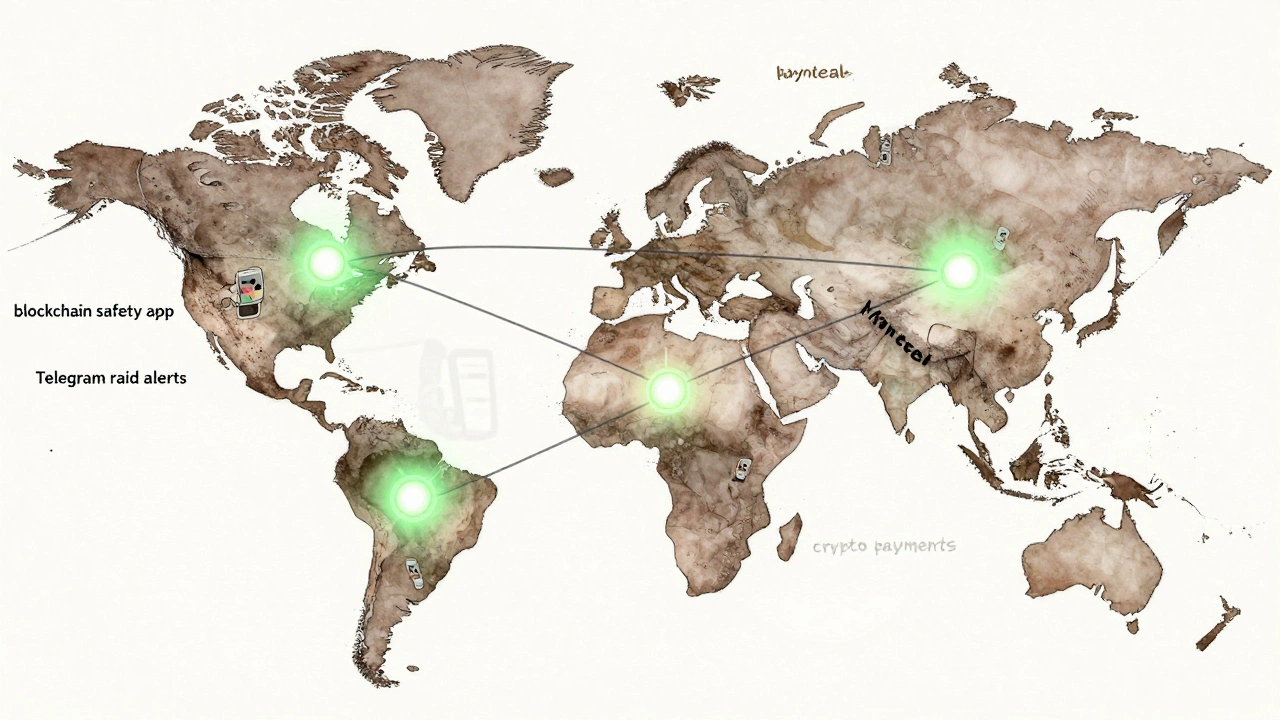
In Berlin, sex workers created a decentralized platform that runs on blockchain, so no single company can shut it down. In Montreal, they developed a peer-reviewed safety app that lets users rate clients anonymously. In Brazil, they use Telegram bots to share real-time alerts about police raids. These aren’t fringe projects-they’re lifelines.
And then there’s the rise of direct payment systems. Some sex workers now accept cryptocurrency. Others use local credit unions that don’t ask questions. A few even run their own websites, hosted on servers outside the U.S. and EU, where laws are less hostile.
But these solutions are fragile. They require technical skills, money, and time-resources many don’t have. And they still can’t replace the reach of mainstream platforms.
The Missing Piece: Tech Workers Themselves
The real change won’t come from CEOs. It’ll come from the engineers, designers, and product managers who build these systems every day.
There are thousands of tech workers who know what’s happening. They see the algorithms that flag "escort pa" as risky. They know how the moderation tools work. They’ve watched colleagues ignore reports from sex workers because "it’s not our job." But few speak up.
Why? Fear. Career risk. Social pressure. The industry rewards conformity, not courage.
But change is starting. In 2024, a group of software developers at a major payment processor leaked internal emails showing their company deliberately targeted sex workers to appease banks. The story went viral. Internal protests followed. Some employees quit. Others started organizing.
It’s not enough. But it’s a start.
What Needs to Happen Next
Here’s what real progress looks like:
- Transparency reports: Platforms must publish data on how many sex worker accounts are removed, why, and how many were reinstated.
- Appeal processes: Every ban must include a way to appeal-with human review, not bots.
- Clear definitions: "Prohibited services" can’t mean "anyone who earns money from sex." That’s not a policy-it’s prejudice.
- Partnerships: Tech companies should work with sex worker organizations to design safer systems, not just ban them.
- Employee protections: Workers who speak out about unethical practices need legal and financial support, not termination.
This isn’t about making tech companies into activists. It’s about making them responsible. If they want to be part of the future, they need to stop punishing the people who are already living in it.
Why This Matters to Everyone
Sex workers aren’t the only ones affected by this kind of censorship. The same tools used to ban them are used to silence journalists, activists, LGBTQ+ people, and migrants. The same algorithms that flag "esclrt paris" as suspicious are the ones that delete posts from Black women, undocumented immigrants, and survivors of abuse.
If you’re okay with tech companies deciding who gets to exist online, then you’re okay with them deciding who gets to exist at all.
The tech world doesn’t need to love sex workers. It just needs to stop trying to erase them.
It’s 2025. The tools to protect people exist. The data is clear. The demands are reasonable. All that’s missing is the will to act.